20 Great Suggestions For Choosing Floor Installation
Wiki Article
Nail Down And. Glue Down. Floating Hardwood Explained
Ask three flooring companies in Philadelphia what method hardwood flooring should be installed and you'll likely get three different opinions -- not because all of them have a wrong answer, but because the proper installation technique is based on the specifics of your house. The subfloor type, the flooring's thickness, the species, moisture conditions, and your long-term plans to the area all play into the decision. A majority of homeowners only realize this later this is why it's important to know the differences before you can begin estimating. The following is how each technique actually functions and what can be considered a good idea.
1. Nail-Down Is the Traditional Standard for Solid Hardwood
Nail-down or nail-down installation, often referred to as staple-down the mechanical attachment of each plank of hardwood to a wooden subfloor using the pneumatic nailer. This is the oldest method, and remains the most commonly used method of installing solid hardwood in Philadelphia houses with the plywood and OSB subfloors. The connection is firm, the floor feels solid beneath your feet and there's not a single glue which could fail in time. The majority of flooring professionals will opt to nailing-down solid hardwood on subfloors of wood above grade without thinking twice.
2. Your subfloor determines whether nail-down Is Even an Option
Wood flooring that nails down hardwood needs a wooden subfloorwhich is full stop. Concrete slabs, which appear on the ground floors of basements and in a few areas of Philadelphia homes as well as Delaware County ranches, cannot use staples or nails any way. If your concrete subfloor, nail-down is off the plan, no matter what flooring material you want. A professional flooring installer who is licensed can recognize this on a inspection; however, an inexperienced one might not catch it until the job has already begun.
3. This Glue-Down Technique Opens Up Concrete Installations
Glue-down hardwood installation utilizes the full-spread type of adhesive that is applied to the subfloor before planks are set in place. It's the preferred method when it's necessary to have real hardwood installed over concrete. Basements are a common option in Montgomery County colonials, ground-floor slabs used in more modern South Jersey construction, or any place where nail-down flooring isn't feasible. When it's done correctly a glue-down flooring is extremely durable with a minimal amount of flex. The downside is that removal later is more challenging that removing a stapled and floating flooring.
4. The floating Hardwood isn't connected to the Subfloor at all
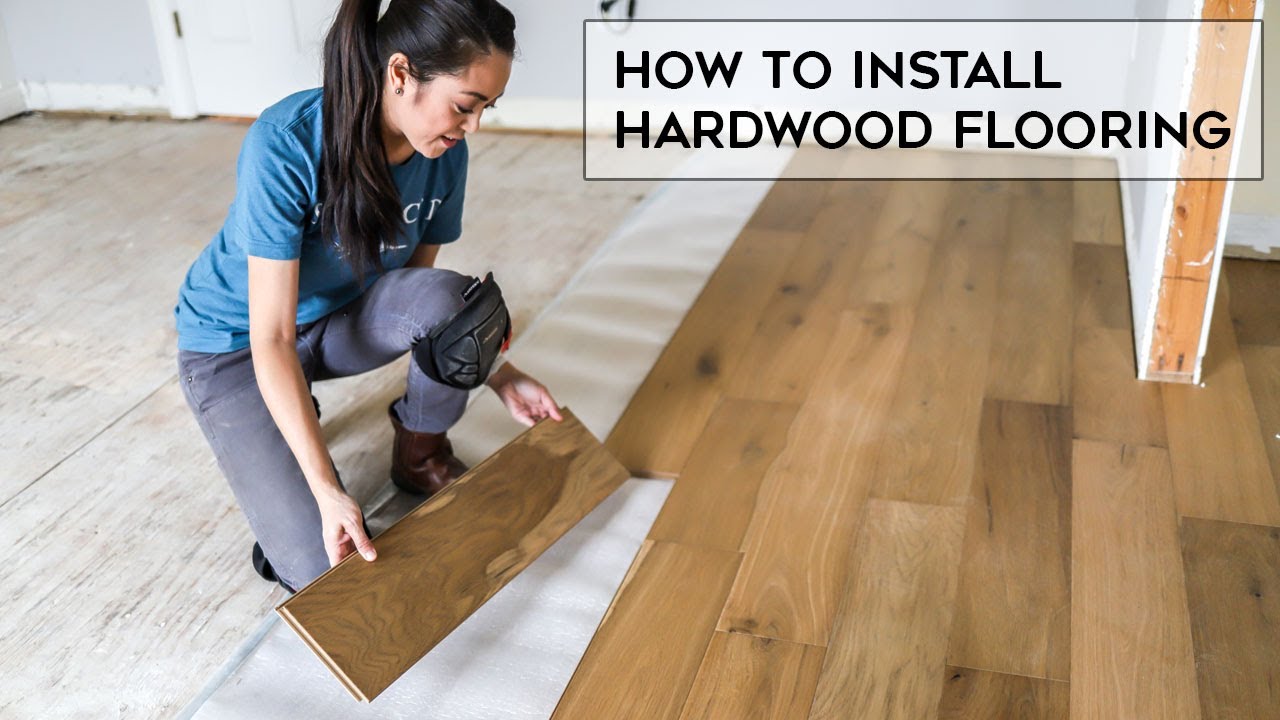
Floating installation signifies that the planks become locked together at their edges. They are placed on over the subfloor as one single surface that is moving as one piece instead of being fixed. It's less time-consuming to install, less difficult to take off, and more resistant to subfloor imperfections than nail-down. Engineered wood is the best type of floating flooring in Philadelphia since its layered construction can accommodate the slight movement in a floating installation better than solid wood does.
5. Floating Floors Create a Unique Feel beneath the feet
This is something that the showroom visits don't always convey. A floating hardwood floor has a slight touch when you walk on it. It's nothing dramatic, but noticeable compared to the nail-down flooring which is tied directly to the subfloor. It's for most homeowners a no-problem. For some, particularly those who are upgrading from nail-down wood, it will require adjustment. If this is an issue for you think about it, ask your flooring professional if you can walk an unfinished floor prior to beginning to commit.
6. Nail-Down has the highest labor The Three Costs of Nail-Down
From a simple installation point of view nail-down hardwood needs the most time and skill and skill, as evident in those labor quotes you'll receive from Philadelphia flooring contractors. The subfloor has to be neat straight, flat, and thick. The planks have to be acclimatized. Nailers must use a careful method so as to avoid splitting. Flooring installers that nail-down correctly are earning money. If you're looking at a cheap hardwood installation quote is worth asking about the way they're planning to fasten it.
7. Glue-Down adds material cost but also saves some labor Variables
Adhesive can be expensive, and glue-down jobs require an appropriate adhesive matched to the particular hardwood and subfloor combination. It is true that installing glue-down over a properly-prepared concrete slab will be faster than nailing over subfloors that require urgent repair. Flooring contractors in Bucks County and Delaware County commonly recommend glue-down when installing engineered hardwood in slab-on-grade homes specifically because it offers real wood aesthetics with practical installation benefits.
8. Moisture Testing Needs to Be Performed Prior To Any Method is Decided
This step is usually skipped when doing budget jobs and causes problems within a year. Concrete slabs release vapors of water, and excessive moisture will cause glue-down adhesives to fail,, and the floors floating to break. Wood subfloors found in older Philadelphia rowhomes can be subject to high levels of moisture from crawl spaces or inadequate ventilation. A correct moisture reading prior the installation isn't necessary -it's how a reputable flooring professional decides if a particular method is safe and which prep task is required prior to.
9. Refinishing Compatibility Varies based on Method
Solid hardwood nail-down may be sanded as well as refinished several times in its lifeit's among the most compelling reasons to choose regardless of the price of installation. Engineered wood that has been glued down is typically able to have a refinishing process once or twice dependent on the wear layer thickness. Floating engineered hardwood may offer a limited refinishing opportunity. If long-term maintenance of your wood floor will be a factor in your future plans you should consider this into your plan of action prior to installation, not after.
10. It's best to use an a Site-Based Decision, not a Preference A Decision
Homeowners may attend flooring consultations with a predetermined idea of which method they would like to use. A seasoned flooring contractor in Philadelphia will gently direct the conversation to what the property actually requires. The most reliable flooring experts aren't soliciting a certain way of doing things -They're taking a look at your subfloor's humidity levels and your floor's levels or the wood species that you've chosen and will recommend accordingly. This specific site-specific evaluation is what distinguishes a licensed professional from someone with nailers. Have a look at the recommended
kitchen tile flooring Philadelphia for website info including hardwood floor refinishing Philadelphia, laminate flooring installation Philadelphia, best flooring contractors Philadelphia, nail down hardwood flooring Philadelphia, LVP flooring Philadelphia PA, flooring installation near me Philadelphia, flooring installation cost Philadelphia, floor sanding and refinishing Philadelphia, laminate flooring installation Philadelphia PA, luxury vinyl flooring Philadelphia and more.

Tile Is Different From. Laminate: Which Is The Best Option For Philly Kitchens
The choice of flooring for the kitchen in a Philadelphia home is more significant than any other room because kitchens here function hard. Kitchens from Rowhome which double as social hubs, galley kitchens in older twins which experience continuous use by pedestrians, open-plan kitchens that have been renovated Delaware County colonials -- they all have identical challenges: dropped objects, water grease, and years of usage. Both laminate and tile appear often in flooring estimates across the Philadelphia metro area, and both have valid arguments in their favor. However, they're neither interchangeable. Picking the wrong one for a kitchen specifically tends to become evident faster than elsewhere in the home. Here's how the comparison actually does the trick.
1. Water Resistance is the 1st Filter and Tile wins It Straightly
Kitchens get wet. Sinks overflow, dishwashers leak glasses can be smashed over, and mop water sits longer than it should. Porcelain and ceramic tile are essentially impervious to water on the surface. The risk, if present is contained in the grout and is easily addressed by proper sealing. Laminate is made of wood fiber which absorbs moisture when it is placed beneath the surface layer, and in the kitchen, this happens in the end. When laminate expands around the edges or seams, the wear and tear is permanent, and your floor needs replacing. Flooring that is waterproof in a Philadelphia kitchen is an acceptable aim, and laminate isn't able to satisfy the requirement.
2. Laminate is a less expensive entry Cost, but has a Longer Kitchen Lifespan
Laminate flooring is the place where it makes its strongest case. Installation of flooring made from laminate Philadelphia kitchens often comes in cheaper than tile -- lower material cost, faster work, and no need for grout or mortar. Homeowners on a tight budget who require a kitchen floor that looks great now, laminate flooring is attractive. The real issue is its longevity. Tile that is installed correctly in the right way in a Philadelphia kitchen may last 20 to 30 years without significant maintenance. Laminates is used in the same area being exposed to the conditions of moisture that kitchens produce, usually is damaged in 5 to 10 years.
3. Porcelain trumps ceramic in high-traffic Kitchen Conditions
Tiles aren't all equal in a kitchen context. Porcelain is denser, harder and less porous ceramic. It's able to take on cast iron pans that have been dropped or chair legs as well as the constant flow of foot traffic better over the course of. Ceramic tile flooring is an excellent choice for kitchens, particularly in bathrooms with lower traffic levels or when budget is a major consideration however, the difference in density affects a room that gets as much abuse like a kitchen. Philadelphia flooring contractors who do an extensive amount of kitchen tile installation will typically push the option of porcelain unless price is the primary consideration.
4. Laminate Comfort Underfoot Is a Benefit
It's not getting enough recognition in the tile against. laminate debate. Tile is hard and cold -sitting on it for an extended cooking session can be less energizing than the laminate floor, which has a slight cushioning and is warmer beneath your feet. In the case of a Philadelphia rowhome where the kitchen floor is located on a basement that's uninsulated, ceramic tile in winter is truly unpleasant with no radiant heat beneath. Laminate won't fix every flooring issue for kitchens, however it will solve this issue and for those who have to stand within their kitchens, it's significant quality of life factor.
5. Maintenance of Grout is the most honest Side of Tile
Tile wins on durability and water resistance, but grout's weakness is. Unsealed or aging grout in a kitchen is prone to absorbing grease, dirt, and. Maintaining tile floors healthy requires sealing the grout at installation and periodic resealing over the duration of the floor. Philadelphia tile flooring contractors who can be honest about this are doing you a favor. For homeowners who are looking for tile with minimum maintenance are usually those who end up having grout lines with grey grout that were previously white.
6. Large Format Tiles Can Change the Kitchen Feel and the Subfloor Requirements
Large porcelain tiles 24-x24 inches or bigger are becoming increasingly sought-after in Philadelphia kitchens. They appear stunning when placed in the right place. It is important to note that large format tile is more demanding on subfloor flatness as opposed to smaller ones. Any variation in the subfloor appears as lippage- edges that sit at slightly different heights. This creates a visual concern as well as a potential trip hazard. Repairing the subfloor prior to large format flooring installation for Philadelphia kitchens can be necessary and can result in a cost that does not be included in an estimation based solely on materials.
7. Laminate Is Not Refinished if It Gets Worn
Hardwood kitchen flooring which is not as common, but not impossible to find can be sanded and then refinished whenever the surface has wear. Tiles can be replaced individually if they are cracked. tiles replaced. Laminate has no alternatives. If the layer of wear on the laminate deteriorates, which will be faster in a kitchen that in the bedroom, the flooring must be replaced. If homeowners intend to remain in a Philadelphia house for 15 or more years, laminate's ability to restore itself is a long-term cost consideration that the cheaper upfront cost doesn't always take into account.
8. LVP is the third option LVP is the third option that both comparisons keep pointing towards.
It's worth naming directly that luxury vinyl is more waterproof than tile, warmer and more comfortable than laminate, and more durable in kitchens for the unique combination of moisture and foot traffic. LVP flooring installed Philadelphia kitchens has grown significantly because it has resolved the primary tension between the two choices the majority of homeowners are considering. The best option isn't for every kitchen yet it's that the tile compares to. laminate debate is now ending with a flooring professional recommending a third option.
9. The Installation Time varies a lot between the Two
Laminate kitchen flooring can be put in very quickly. A small or medium kitchen can normally be installed in one day. Installation of tiles takes longer: mortar setting time mixing, grout curing, as well as the precision required for layout and cutting can add up. For Philadelphia homeowners that need to get their quick and efficient kitchen and efficiently, laminate provides a timing advantage. For those already undertaking a larger kitchen remodel with a timeline already extended, tile's requirements to install are less important in the final choice.
10. The Kitchen's Existing Subfloor Will Drive the Final Call
More than aesthetics and budget and more about personal preference -- the floor condition and type in your Philadelphia kitchen ought to be the key factor in what material you decide to use. A solid and flat plywood subfloor is a great choice for large format tiles. An older diagonal subfloor might require an overlay before tile can be viable, and the cost could alter the budget. A slab of concrete below grade could alter the water conversation entirely. The most reliable flooring installers in Philadelphia will test their kitchen's subfloor before they make a recommendation. let the assessment inform the plan rather than being guided by the materials they've got in their warehouse. Check out the most popular Have a look at the top hardwood floor installation Bucks County for site examples including affordable flooring installation Philadelphia, hardwood flooring Philadelphia, waterproof flooring installation Philadelphia, luxury vinyl plank installation Philadelphia, LVP flooring Philadelphia PA, hardwood floor installation Philadelphia, floor sanding and refinishing Philadelphia, flooring contractors Montgomery County PA, LVP floor installation cost Philadelphia, glue down hardwood flooring Philadelphia and more.